Our coffee
Why coffee from 1,400 metres tastes sweeter
Every cup at Hanging Garden Café comes from this mountain. Here are the questions people ask us at the counter, answered the way we answer them there: short, honest, and with the farm in mind.
Why does altitude make coffee sweeter?
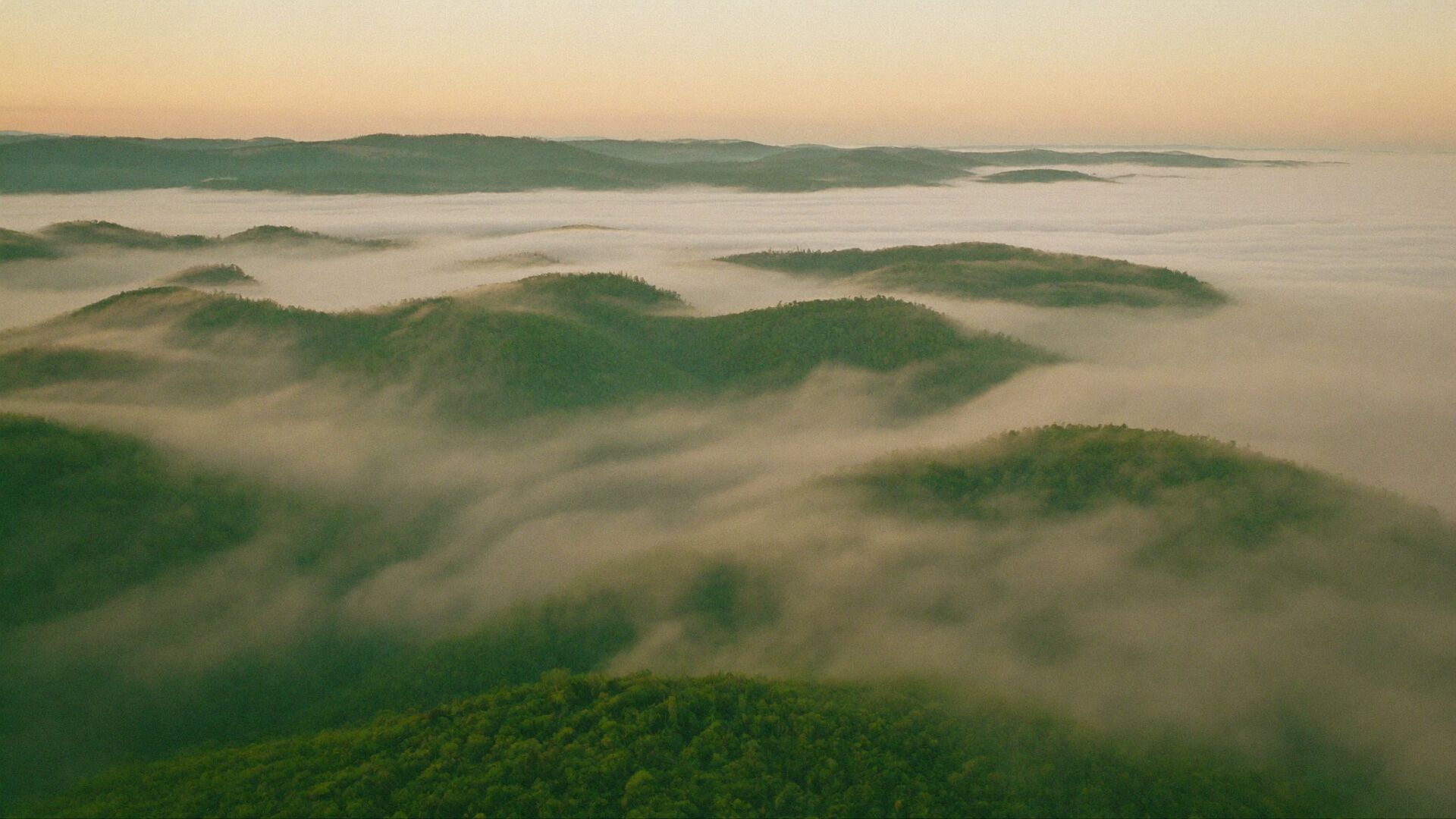
Monteverde sits at about 1,400 metres above the sea. Up here nights are cool, so the coffee cherry ripens slowly, sometimes over nine months instead of six. A slow cherry has time to build sugar and acidity, and the bean inside grows dense and hard.
In the cup that means sweetness, a clean finish, and flavours that stay separate instead of blurring together: chocolate, orange, sometimes a little honey. Low grown coffee, by comparison, tends to taste flat and heavy.
What does SHB, strictly hard bean, mean?
SHB is the top grade of Costa Rican coffee. It is given to beans grown above roughly 1,200 metres, where the slow ripening makes them hard and dense. Hard beans roast more evenly and carry more flavour.
Monteverde is well above that line, so the coffee we serve qualifies. When you see SHB on a bag of Costa Rican coffee, it is telling you where the farm sits, not how it was roasted.
How and when is the coffee harvested?

By hand, one cherry at a time. On the steep slopes of Monteverde a machine would be useless anyway, so pickers walk the rows several times between roughly December and March and take only the cherries that have turned deep red.
A green cherry picked early tastes sour; an overripe one tastes like fermentation. Picking only the red ones is slow and expensive, and it is the single biggest reason a small farm coffee tastes better than a supermarket blend.
Washed, honey or natural: what does the process change?
After picking, the fruit has to come off the bean. Washed coffee has the pulp and the sticky layer removed with water before drying: the cleanest, brightest cup. Natural coffee dries inside the whole cherry: fruity, heavy, wine like.
Honey process, which Costa Rica made famous, is in between. The skin comes off but some of the sticky "honey" stays on the bean while it dries, giving sweetness and body without losing clarity. Ask which process the coffee of the day went through; we like to tell you.
Light, medium or dark roast: which do you serve and why?

Medium, most of the time. A light roast can taste sharp for coffee this bright, and a dark roast burns away the sweetness the mountain worked nine months to build. Medium keeps the chocolate and the citrus and still feels like coffee at six in the morning.
Our coffee is roasted locally, in small batches, close to the farm it came from. Local roasting means we never serve a bag that has been sitting in a warehouse for a year.
How fresh is the coffee, and where is it roasted?
We buy from El Trapiche, a family farm in Monteverde, and we grind for each cup. Coffee is at its best between one and four weeks after roasting; ground coffee starts losing aroma within minutes. That is why you will not find a pre ground pot waiting for you.
Arabica or robusta, and why does it matter?
Arabica. For decades Costa Rican law allowed only arabica to be planted, and the mountains are still almost entirely arabica. Arabica has about half the caffeine of robusta and far more sweetness and aroma; robusta is the bitter, rubbery taste in cheap instant coffee.
What is the difference between Monteverde and Tarrazú coffee?
Tarrazú is the famous one: a big region south of San José, very high, with a bright, wine like acidity that wins competitions. Monteverde is a small region with fewer, smaller farms, grown in cloud forest weather.
The difference in the cup is balance. Monteverde coffee tends to be rounder and sweeter, with chocolate and soft citrus, where Tarrazú can be sharper. Neither is better; Monteverde is simply rarer, because so little of it leaves the mountain.
Why is Costa Rican coffee famous?
Three reasons. Volcanic soil and mountain altitude, a two hundred year tradition of small family farms, and quality rules stricter than almost anywhere: only arabica, graded by altitude, with the honey process invented here. Costa Rica grows less than one percent of the world’s coffee, and most of it is very good.
What is a chorreado, and how is it made?
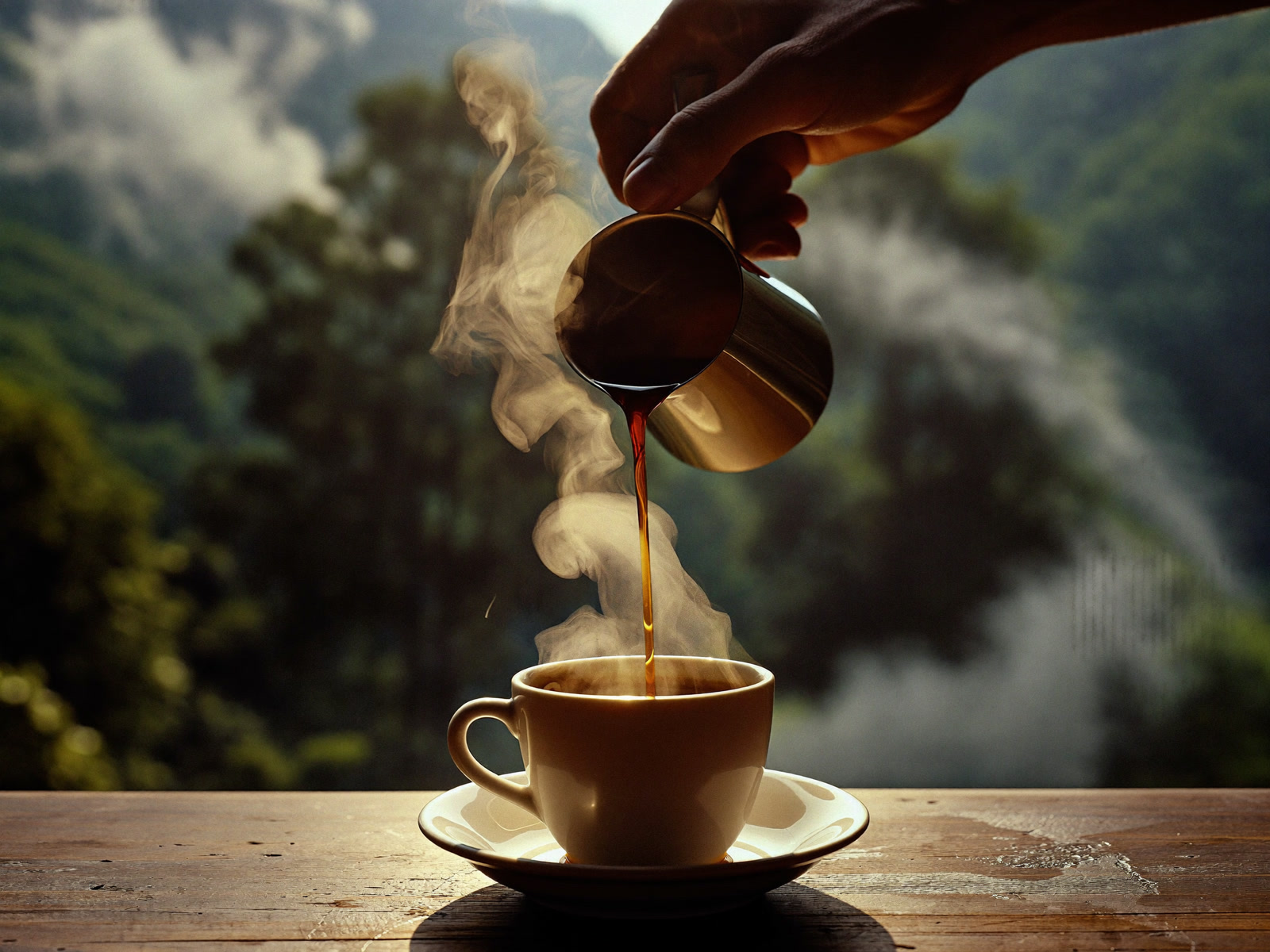
A chorreado is coffee made in a chorreador: a simple wooden stand holding a cloth bag. Ground coffee goes in the bag, hot water just off the boil is poured slowly over it, and the coffee drips into the cup below. The name comes from chorrear, to drip.
Costa Ricans have brewed this way for two hundred years, and the cloth gives a cup that is softer and rounder than paper filter coffee, with more body. Our Café con Leche is a chorreado with warm milk. The cloth bag is never washed with soap, only rinsed; every Tica grandmother will tell you why.
How much caffeine is in a cup of coffee compared with an espresso?
A regular brewed cup of about 240 ml has around 95 mg of caffeine. A single espresso shot has around 63 mg, less than the cup, but in a fraction of the volume. A latte or cappuccino made with one shot therefore has less caffeine than an americano made with two. Decaf still carries a few milligrams.
What is the difference between a latte, a cappuccino and a flat white?
All three are espresso and milk. A cappuccino is smaller, with a thick layer of foam on top. A latte is larger, mostly steamed milk with a thin foam. A flat white sits between them: espresso with velvety, barely foamed milk in a smaller cup, so the coffee comes through stronger.
Our Cloud Forest Latte adds Costa Rican honey and cinnamon, hot or iced, and is the drink people come back for.
Do you serve iced coffee, and does it have more caffeine?
Yes: iced americano, iced latte and iced mocha. Iced coffee has the same caffeine as its hot version, because it is the same espresso poured over ice. Cold brew, which steeps for hours, can carry more; we brew fresh instead.
How do I brew Costa Rican coffee at home, and how do I store the beans?
Buy whole beans, grind just before brewing, and use water just off the boil, about 93 °C. For a chorreador or a pour over, use about 60 grams of coffee per litre of water and pour slowly. Keep the beans in a closed container away from light and heat, never in the fridge, and finish the bag within a month of the roast date.